

Herb Library
Get to know the 47 herbs in our soups, teas and baths: how Traditional Chinese Medicine sees each one, what it pairs with, and where you’ll find it.
No herbs match your search.
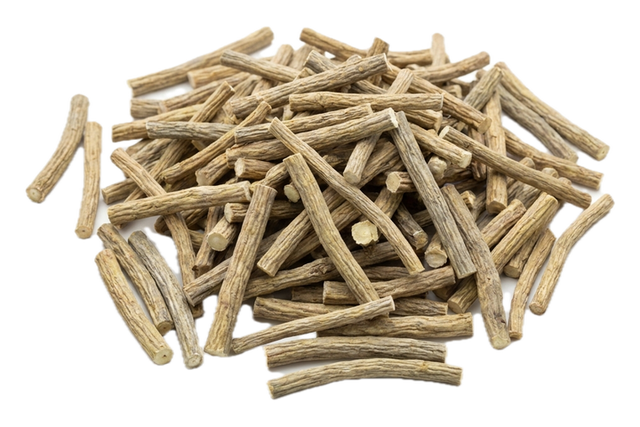
Achyranthes Root
Niú Xī · 牛膝
In postpartum care
Traditionally used after birth to help clear lochia, as it guides blood downward, and to ease the aching lower back and knees that often follow pregnancy.
TCM nature
Taste: Bitter, sweet, sour
Supports
Moves blood and strengthens the sinews and bones.
Signs of quality
What we look for when selecting each herb.
- Cut face shows small dots arranged in 2 to 4 rings, known as “sinew dots”
- Long, plump roots with a waxy, slightly translucent cut face; thin, woody roots are a lower grade
Lab-tested for heavy metals and microbial safety · Passed 4 of 4 tests · See the results
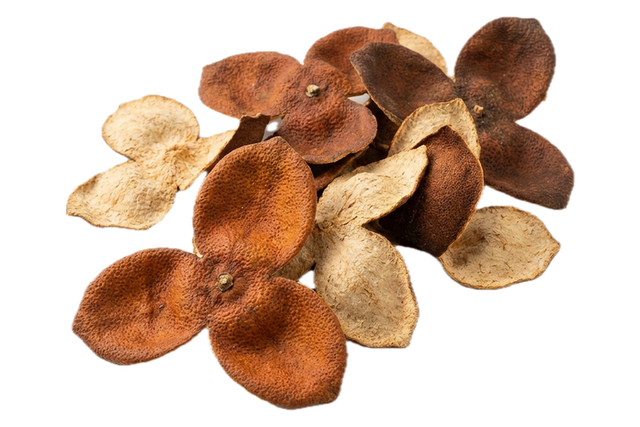
Aged Mandarin Peel
Chén Pí · 陈皮
In postpartum care
Added to postpartum soups and teas so rich, nourishing ingredients stay easy to digest, easing bloating and helping the body make use of the tonics it is given.
TCM nature
Taste: Bitter, pungent
Supports
Regulates qi and supports digestion.
Pairs well with
Found in our blends
- Roasted Grain Rice Paper Pith Tea Coming soon
Signs of quality
What we look for when selecting each herb.
- Peeled into three petals joined at the base, the classic Cantonese cut
- Hold it to the light: the oil glands show as clear, see-through dots
- Colour deepens from orange to dark reddish-brown with age, and the scent mellows from sharp to sweet
New herb: lab results coming soon
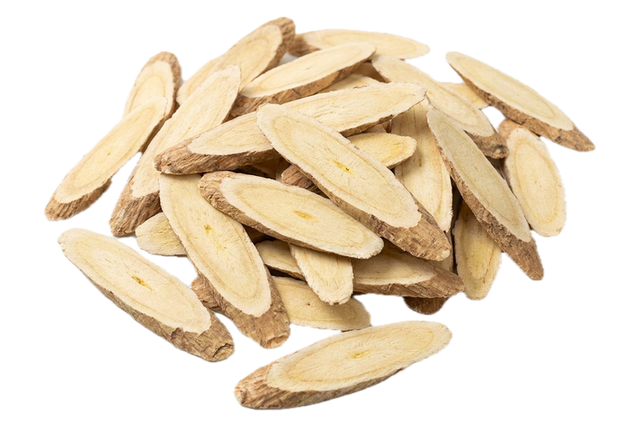
Astragalus Root
Huáng Qí · 黄芪
In postpartum care
One of the main herbs for rebuilding energy after birth. Traditionally used for tiredness, shortness of breath and heavy sweating in the weeks after delivery, and in tea when low milk supply comes from exhaustion.
TCM nature
Taste: Sweet
Supports
Tonifies qi.
Pairs well with
Found in our blends
Signs of quality
What we look for when selecting each herb.
- Cut face shows a white outer ring around a pale yellow centre, called “gold and silver plate”, with fine radiating lines
- Tough and fibrous when snapped, with a light beany smell when chewed
Lab-tested for heavy metals and microbial safety · Passed 4 of 4 tests · See the results
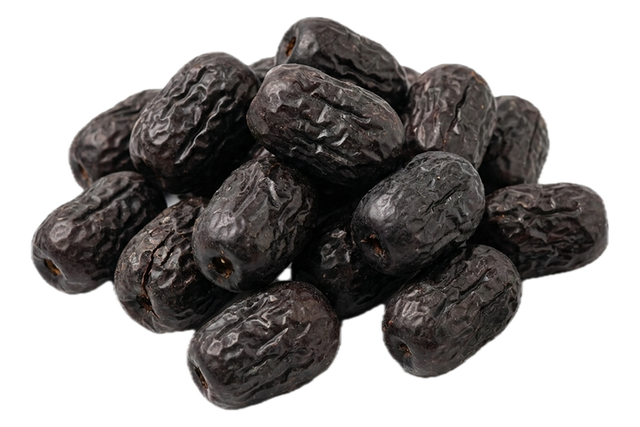
Black Date
Hēi Zǎo · 黑枣
In postpartum care
A richer, smoky cousin of the red date, used to replenish the blood and energy spent in birth and to add a gentle sweetness to lactation teas.
TCM nature
Taste: Sweet
Supports
Tonifies qi and nourishes blood.
Pairs well with
Found in our blends
- Blood Enriching Notoginseng Soup
- Moon Harvest Astragalus Tea
- Twilight Fields Glehnia Tea Coming soon
Signs of quality
What we look for when selecting each herb.
- Evenly black with a light sheen from slow smoking, and fine, shallow wrinkles
- Plump flesh that springs back when pressed, with no mould at the stem end
Lab-tested for heavy metals and microbial safety · Passed 4 of 4 tests · See the results
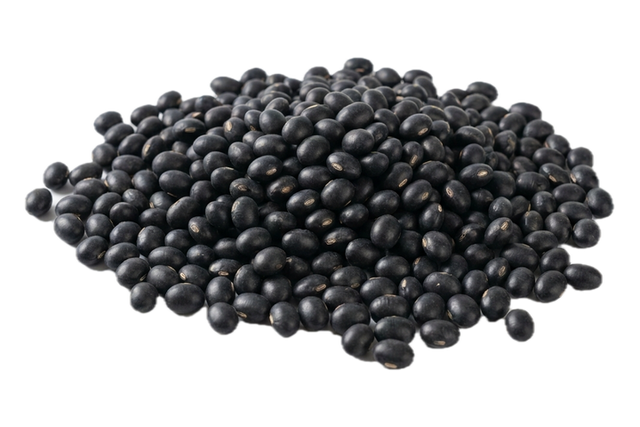
Black Soybean
Wū Dòu · 乌豆
In postpartum care
Traditionally eaten after birth to replenish blood and kidney essence, and long linked with postpartum hair shedding and a weak lower back. It is the base of our hair-fortifying soup in the final weeks.
TCM nature
Taste: Sweet
Supports
Nourishes blood and kidney essence.
Pairs well with
Found in our blends
Signs of quality
What we look for when selecting each herb.
- Split one open: the inside should be green. These are green-kernel black soybeans, the kind traditionally preferred for food therapy; a yellow inside means the ordinary variety, and a black inside can mean dye
- Rub a few between dry fingers: the colour should not come off
Lab-tested for heavy metals and microbial safety · Passed 4 of 4 tests · See the results
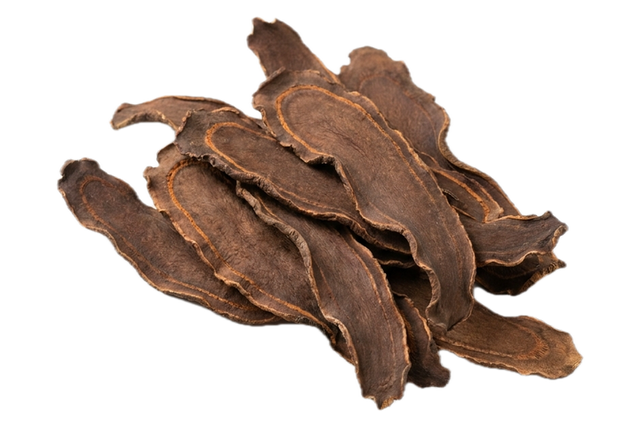
Chain Fern Rhizome
Gǒu Jǐ · 狗脊
In postpartum care
Used for the aching, weak lower back that many mothers feel after pregnancy and from lifting and feeding a newborn.
TCM nature
Taste: Bitter, sweet
Supports
Tonifies the liver and kidneys and strengthens the lower back.
Signs of quality
What we look for when selecting each herb.
- A raised, yellow-brown ring of wood just inside the edge of each slice, the key mark of true chain fern
- Even, solid slices with the golden hairs cleaned off; hollow or fuzzy slices are a lower grade
Lab-tested for heavy metals and microbial safety · Passed 4 of 4 tests · See the results
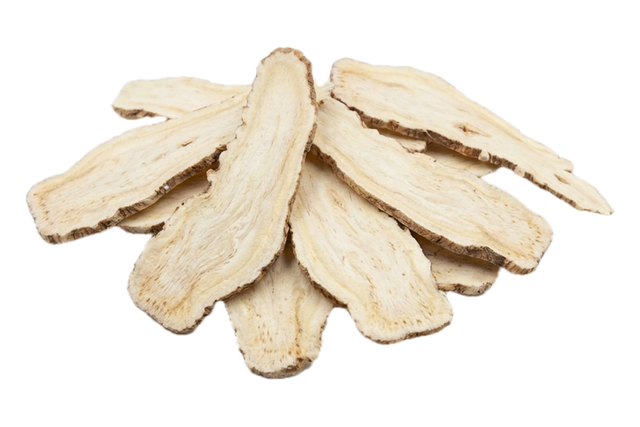
Chinese Angelica Root
Dāng Guī · 当归
In postpartum care
The most important herb for women after birth. It replenishes the blood lost in delivery and, because it also moves blood, helps the uterus clear lochia. It is used from the very first day in Sheng Hua Tang.
TCM nature
Taste: Sweet, pungent
Supports
Nourishes and moves blood.
Pairs well with
Found in our blends
Signs of quality
What we look for when selecting each herb.
- Creamy white cut face with a brown ring and scattered brown oil dots
- Supple and oily with a strong sweet, spicy aroma; dry, woody slices with little smell are a lower grade
Lab-tested for heavy metals and microbial safety · Passed 4 of 4 tests · See the results
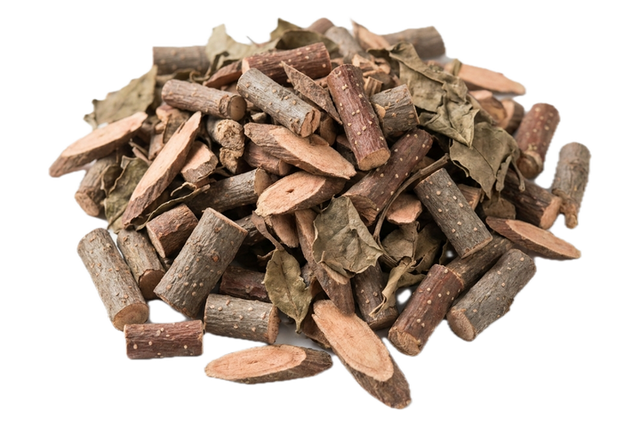
Chinese Taxillus Stem
Sāng Jì Shēng · 桑寄生
In postpartum care
Traditionally used for lower-back pain and stiff joints after birth, gently nourishing without being heating.
TCM nature
Taste: Bitter, sweet
Supports
Nourishes the liver and kidneys.
Signs of quality
What we look for when selecting each herb.
- Reddish-brown stems dotted with tiny pale spots; the look-alike mistletoe stem is yellow-green instead
- Plenty of leaves through the mix, and young tips with rusty brown fuzz
Lab-tested for heavy metals and microbial safety · Passed 4 of 4 tests · See the results
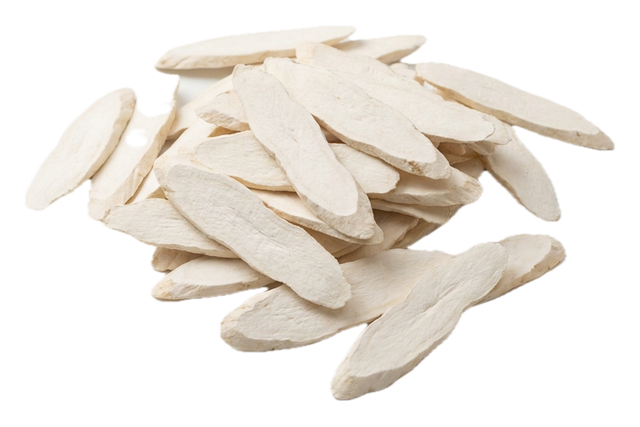
Chinese Yam
Shān Yào · 山药
In postpartum care
A gentle staple for rebuilding digestion and energy after birth. It is mild enough to eat often, which is why it appears in our soups from the first week to the last.
TCM nature
Taste: Sweet
Supports
Tonifies qi and nourishes yin.
Pairs well with
Found in our blends
Signs of quality
What we look for when selecting each herb.
- White, powdery cut face that leaves a fine dust on your fingers
- A soft, natural white; a sharp or sour smell can be a sign of sulphur bleaching
Lab-tested for heavy metals and microbial safety · Passed 4 of 4 tests · See the results
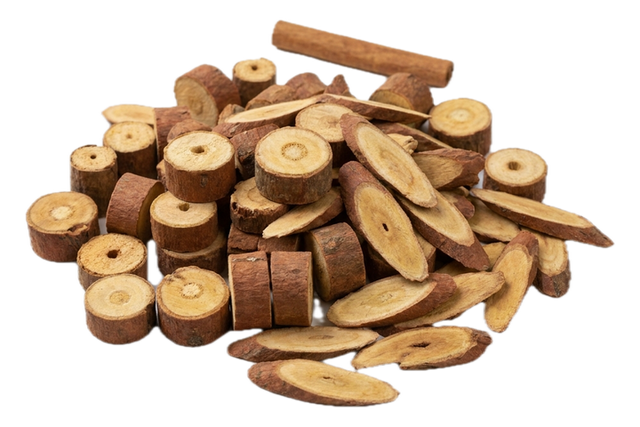
Cinnamon Twig
Guì Zhī · 桂枝
In postpartum care
Used in our herbal bath to warm the body and open the channels, traditionally to keep out the wind and cold a new mother is thought to be especially open to.
TCM nature
Taste: Pungent, sweet
Supports
Warms the channels and supports yang.
Signs of quality
What we look for when selecting each herb.
- Cut face shows a reddish-brown bark ring, pale yellow wood and a small, almost square pith at the centre
- Thin young twigs with a clear cinnamon scent; thick, woody pieces are a lower grade
Lab-tested for heavy metals and microbial safety · Passed 4 of 4 tests · See the results
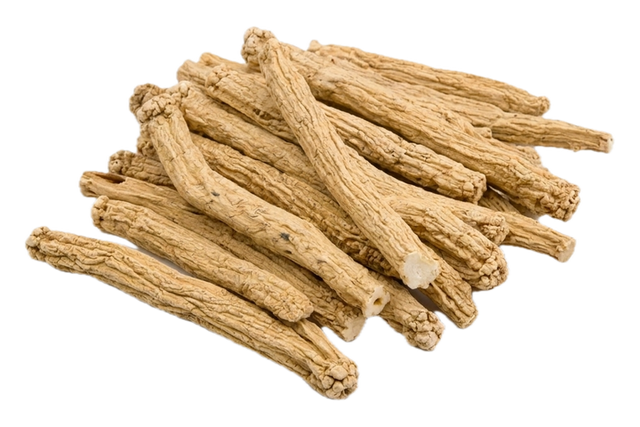
Codonopsis Root
Dǎng Shēn · 党参
In postpartum care
A gentle qi tonic, traditionally valued as a milder alternative to ginseng. Because it is not overly heating, it is a staple of postpartum soups and teas for restoring energy and supporting milk supply after birth.
TCM nature
Taste: Sweet
Supports
Tonifies qi and nourishes blood.
Pairs well with
Found in our blends
Signs of quality
What we look for when selecting each herb.
- A diagonal slice shows a pale yellow core with lines radiating out like a star, called the “chrysanthemum heart”
- A knobbly “lion’s head” crown with dense rings below it; soft, slightly sticky and sweet
Lab-tested for heavy metals and microbial safety · Passed 4 of 4 tests · See the results
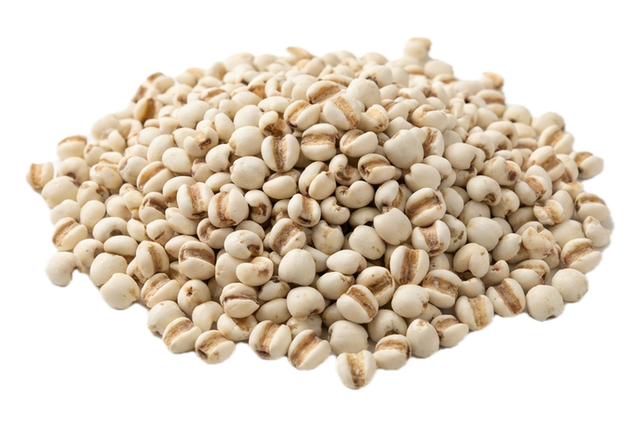
Coix Seed
Yì Yǐ Rén · 薏苡仁
In postpartum care
Used after birth to help clear the water retention and puffiness that can linger after pregnancy, while staying gentle on digestion.
TCM nature
Taste: Sweet, bland
Supports
Strengthens the spleen and drains dampness.
Signs of quality
What we look for when selecting each herb.
- A broad, deep groove down one side and a small brown dot at one end
- Plump, chalky white grains that break with a powdery face; few broken grains or bits of husk
Lab-tested for heavy metals and microbial safety · Passed 4 of 4 tests · See the results
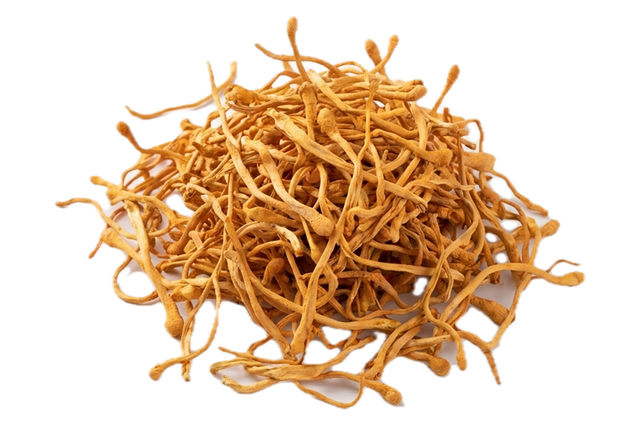
Cordyceps Flower
Chóng Cǎo Huā · 虫草花
In postpartum care
A gentle, savoury addition to later postpartum soups, traditionally used to rebuild energy and resilience as recovery moves from repair to strengthening.
TCM nature
Taste: Sweet
Supports
Gently nourishes the lungs and kidneys.
Signs of quality
What we look for when selecting each herb.
- An even, natural orange along the whole stalk; pale or brownish stalks are old stock
- Thick stalks of similar length that are dry enough to snap; soft, bendy stalks have taken on moisture
Lab-tested for heavy metals and microbial safety · Passed 4 of 4 tests · See the results
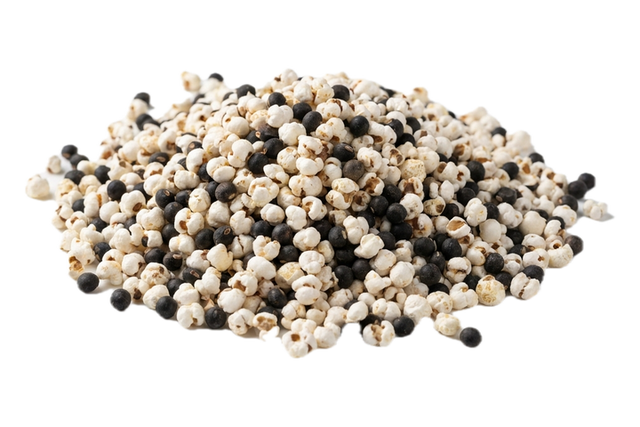
Cowherb Seed
Wáng Bù Liú Xíng · 王不留行
In postpartum care
One of the classic herbs for milk flow, traditionally used when milk is slow to come in or feels blocked. Folk sayings promise that with it, a mother’s milk will flow freely.
TCM nature
Taste: Bitter
Supports
Moves blood and opens the channels.
Pairs well with
Found in our blends
- Twilight Fields Glehnia Tea Coming soon
Signs of quality
What we look for when selecting each herb.
- Most seeds popped into small white “flowers”; about 80% popped is the traditional benchmark
- Unpopped seeds are round and black, with tiny fine bumps over the surface
New herb: lab results coming soon
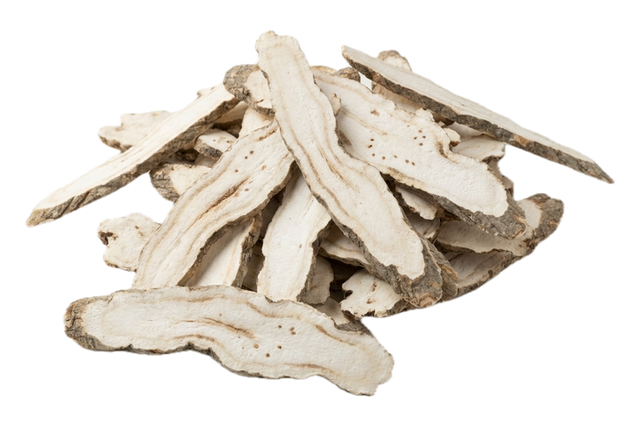
Dahurian Angelica Root
Bái Zhǐ · 白芷
In postpartum care
Used in our herbal bath and later soups to dispel wind and cold, traditionally for the headaches and body aches thought to come from catching a chill after birth.
TCM nature
Taste: Pungent
Supports
Warms and disperses rather than tonifies.
Signs of quality
What we look for when selecting each herb.
- White, powdery cut face with a brown ring and scattered brown oil dots
- A strong, distinctive fragrance; greyish slices with little smell are a lower grade
Lab-tested for heavy metals and microbial safety · Passed 4 of 4 tests · See the results
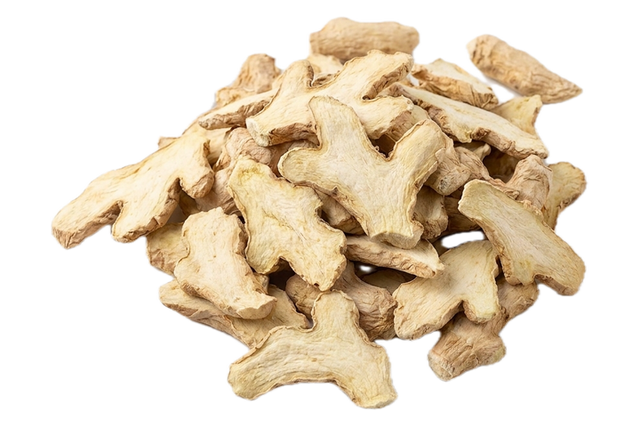
Dried Ginger
Gān Jiāng · 干姜
In postpartum care
Ginger is central to confinement. Dried ginger warms the body from within, traditionally to restore the warmth spent in birth, settle digestion and keep cold out, in our soups, tea and bath.
TCM nature
Taste: Pungent
Supports
Warms the middle and restores yang.
Pairs well with
Found in our blends
Signs of quality
What we look for when selecting each herb.
- Cut face shows a clear inner ring, with fibres and yellow oil dots scattered across it
- Firm and powdery with a strong, hot bite; light, stringy or bland pieces are a lower grade
Lab-tested for heavy metals and microbial safety · Passed 4 of 4 tests · See the results
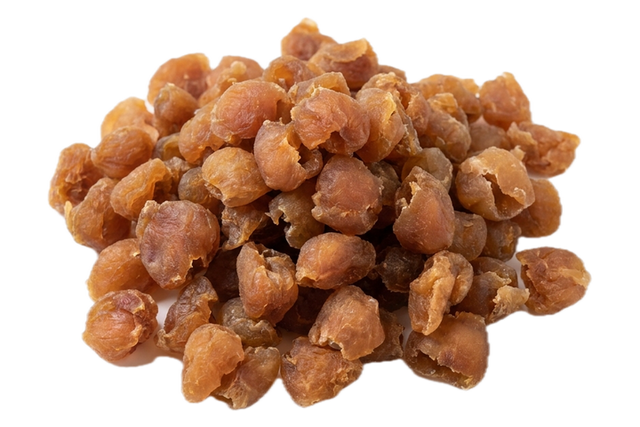
Dried Longan
Lóng Yǎn Ròu · 龙眼肉
In postpartum care
Valued after birth for rebuilding blood and easing the poor sleep, worry and night waking of the early weeks with a newborn. Its sweetness also makes teas comforting.
TCM nature
Taste: Sweet
Supports
Nourishes blood and calms the mind.
Pairs well with
Found in our blends
- Blood Nourishing Angelica Soup
- Hair Fortifying Black Bean Soup
- Quiet Bloom Codonopsis Tea
- Roasted Grain Rice Paper Pith Tea Coming soon
- Moon Harvest Astragalus Tea
- Twilight Fields Glehnia Tea Coming soon
Signs of quality
What we look for when selecting each herb.
- One side wrinkled, the other smooth and glossy with fine lengthwise lines
- Thick, translucent golden-brown flesh, soft and slightly sticky; very dark, hard or sugar-crusted pieces are old
Lab-tested for heavy metals and microbial safety · Passed 4 of 4 tests · See the results
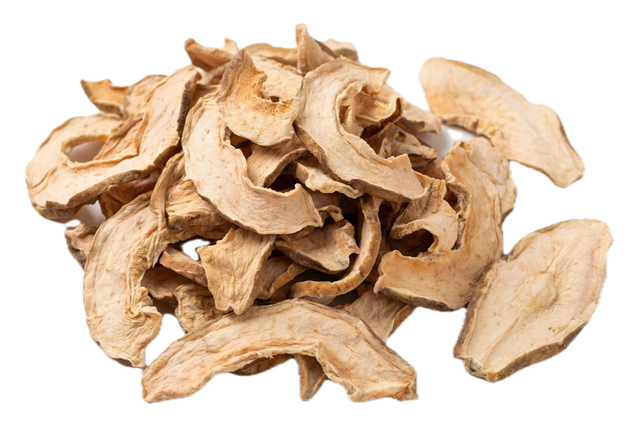
Dried Papaya
Fān Mù Guā · 番木瓜
In postpartum care
In Cantonese food therapy, green (unripe) papaya is a classic ingredient in soups for new mothers and is traditionally believed to help with milk supply. This is often credited to papain, a natural enzyme found in papaya.
TCM nature
Taste: Sweet
Supports
Gentle on the stomach.
Signs of quality
What we look for when selecting each herb.
- Pale greenish-white slices, often with a thin green rim of skin, cut from unripe green papaya; orange flesh means ripe fruit, which is not the traditional choice
- Thin, evenly cut slices that are dry but still pliable, with no dark spots, sticky patches or mould
Lab-tested for heavy metals and microbial safety · Passed 4 of 4 tests · See the results
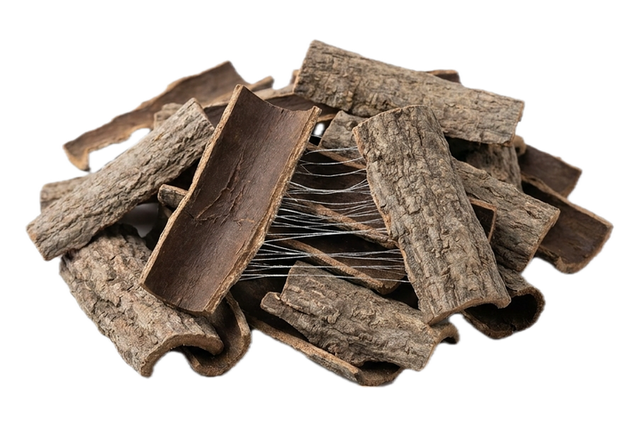
Eucommia Bark
Dù Zhòng · 杜仲
In postpartum care
Traditionally the first herb reached for when the lower back aches after birth, used through the middle weeks to strengthen the back and knees after the strain of pregnancy and labour.
TCM nature
Taste: Sweet
Supports
Tonifies the liver and kidneys.
Signs of quality
What we look for when selecting each herb.
- Snap a piece: fine, silvery-white rubbery threads stretch between the halves, and more threads means better bark
- Thick bark with the rough outer layer scraped off and a smooth, dark purple inner face
Lab-tested for heavy metals and microbial safety · Passed 4 of 4 tests · See the results
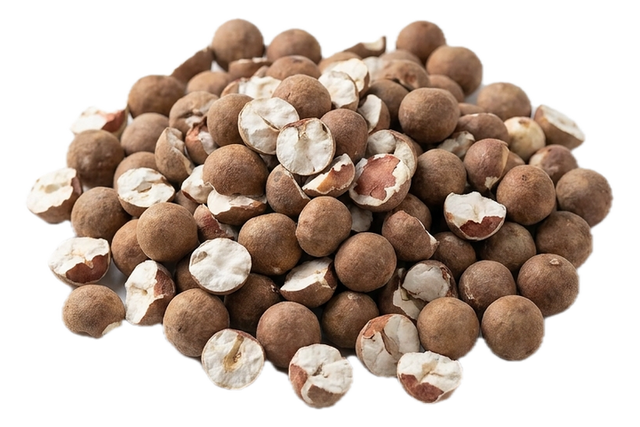
Euryale Seed
Qiàn Shí · 芡实
In postpartum care
Used in later postpartum soups to firm up digestion, traditionally for the loose stools and frequent urination that can linger after birth.
TCM nature
Taste: Sweet, astringent
Supports
Strengthens the spleen and kidneys.
Signs of quality
What we look for when selecting each herb.
- About a third of each seed is white at one end; the rest is covered in a thin reddish-brown skin
- Hard, evenly sized seeds with a chalky white, powdery inside
Lab-tested for heavy metals and microbial safety · Passed 4 of 4 tests · See the results
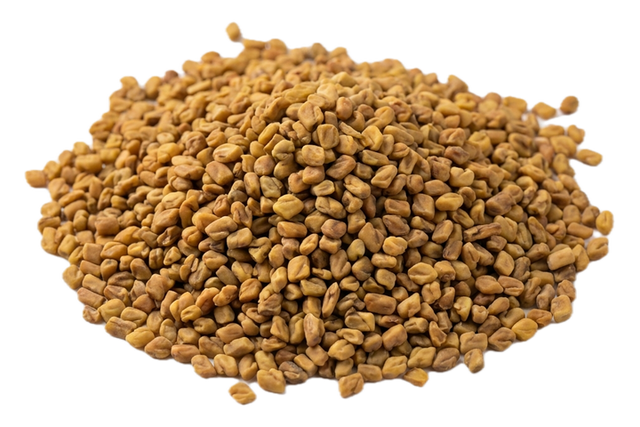
Fenugreek
Hú Lú Bā · 葫芦巴
In postpartum care
Known around the world as a herb for breastfeeding mothers, and the key herb in our lactation tea. In Chinese medicine its warmth also helps chase away the cold a mother may feel after birth.
TCM nature
Taste: Bitter
Supports
Warms the kidneys and dispels cold.
Signs of quality
What we look for when selecting each herb.
- Small, angular seeds with a deep diagonal groove on one side
- Hard and plump with a strong, maple-like scent; a weak smell means old stock
New herb: lab results coming soon
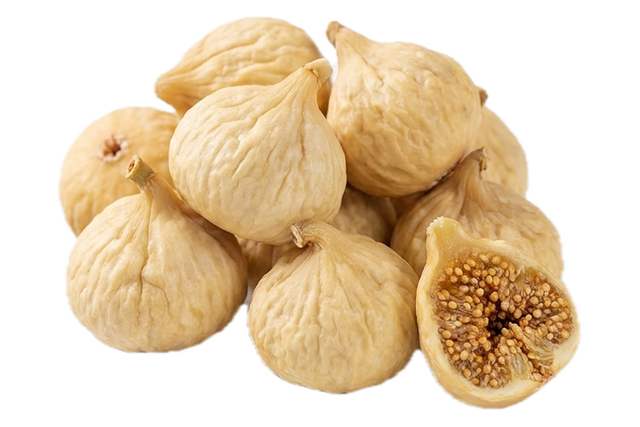
Figs
Wú Huā Guǒ · 无花果
In postpartum care
A gently sweet, moistening fruit used in tea to ease the dryness and constipation common after birth, especially while breastfeeding draws on the body’s fluids.
TCM nature
Taste: Sweet
Supports
Moistens and nourishes fluids.
Signs of quality
What we look for when selecting each herb.
- A small opening at the top and many tiny seeds inside
- Plump and soft with golden-brown skin; a fine white sugar bloom is natural, while fuzzy or greenish spots are mould
New herb: lab results coming soon
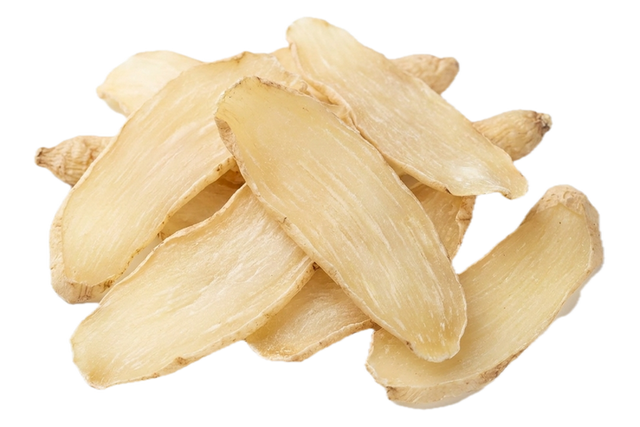
Gastrodia Tuber
Tiān Má · 天麻
In postpartum care
Used in the final weeks for the headaches and dizziness some mothers feel after birth and broken sleep.
TCM nature
Taste: Sweet
Supports
Calms and settles rather than tonifies.
Signs of quality
What we look for when selecting each herb.
- Dense, heavy slices that look horn-like and translucent against the light; hollow centres are a lower grade
- Whole tubers have a reddish-brown bud tip (“parrot’s beak”), a round “navel” scar at the base and rings of tiny dots
Lab-tested for heavy metals and microbial safety · Passed 4 of 4 tests · See the results
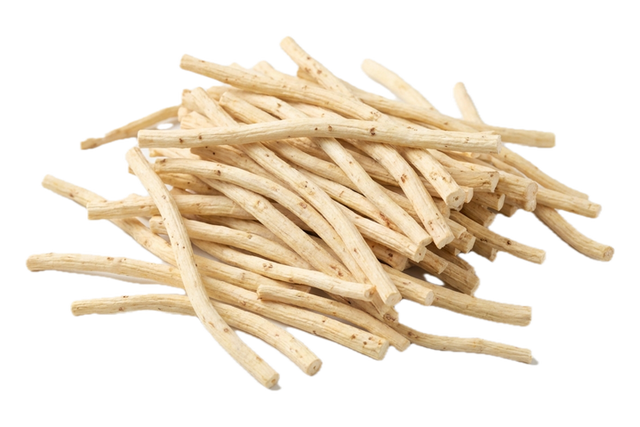
Glehnia Root
Běi Shā Shēn · 北沙参
In postpartum care
Used in tea to replenish the fluids that breastfeeding draws on, traditionally for a dry mouth, thirst and dry cough after birth, balancing the warmer herbs of confinement.
TCM nature
Taste: Sweet, bitter
Supports
Nourishes yin and moistens.
Pairs well with
Found in our blends
- Twilight Fields Glehnia Tea Coming soon
Signs of quality
What we look for when selecting each herb.
- Peeled, pale yellow-white sticks with fine lengthwise lines and small brown dots where rootlets grew
- Snaps cleanly to show a pale outer layer around a yellow core
New herb: lab results coming soon
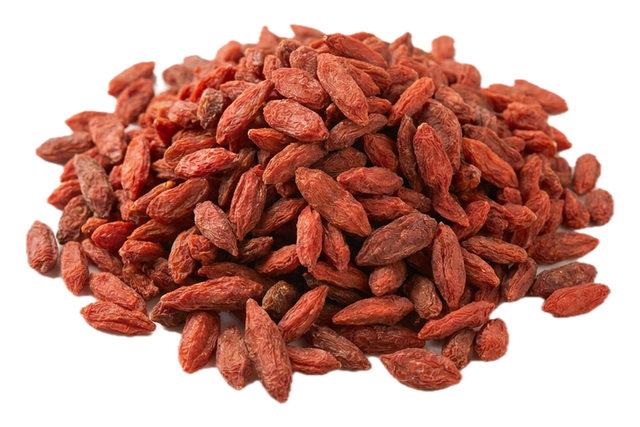
Goji Berry
Gǒu Qǐ Zǐ · 枸杞子
In postpartum care
One of the most used ingredients in our range. Traditionally eaten after birth to replenish blood and ease tired, strained eyes during the sleepless early weeks.
TCM nature
Taste: Sweet
Supports
Nourishes the liver and kidneys.
Pairs well with
Found in our blends
- Papaya Rice Paper Pith Lactation Soup
- Qi Boosting Astragalus Soup
- Blood Enriching Notoginseng Soup
- Kidney Replenishing Eucommia Soup
- Blood Nourishing Angelica Soup
- Stomach Comforting Codonopsis Soup
- Brain Nourishing Ligusticum Soup
- Quiet Bloom Codonopsis Tea
- Golden River Fenugreek Tea
- Roasted Grain Rice Paper Pith Tea Coming soon
Signs of quality
What we look for when selecting each herb.
- A small white scar at one end where the stem was attached
- A natural, slightly muted red; soaked in water, good goji colour it only pale yellow, not bright red
Lab-tested for heavy metals and microbial safety · Passed 4 of 4 tests · See the results
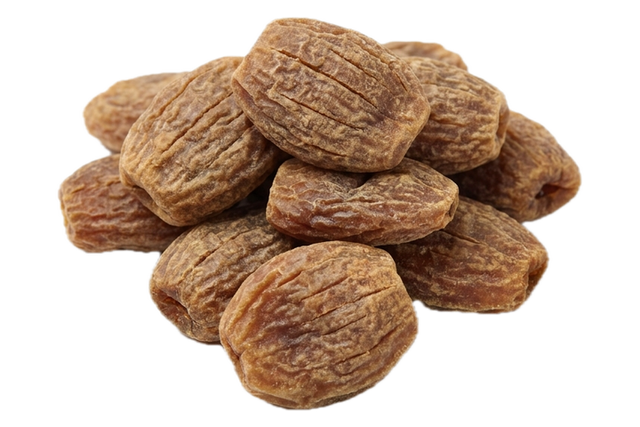
Honey Date
Mì Zǎo · 蜜枣
In postpartum care
Adds a mellow sweetness and softens the taste of stronger herbs, which is why Cantonese mothers have long added it to postpartum soups and teas.
TCM nature
Taste: Sweet
Supports
Gently nourishing and moistening.
Signs of quality
What we look for when selecting each herb.
- Golden-amber dates covered in fine, regular knife lines where the syrup soaked in
- Moist and sweet without being wet or sour; a dark brown colour means old stock
Lab-tested for heavy metals and microbial safety · Passed 4 of 4 tests · See the results
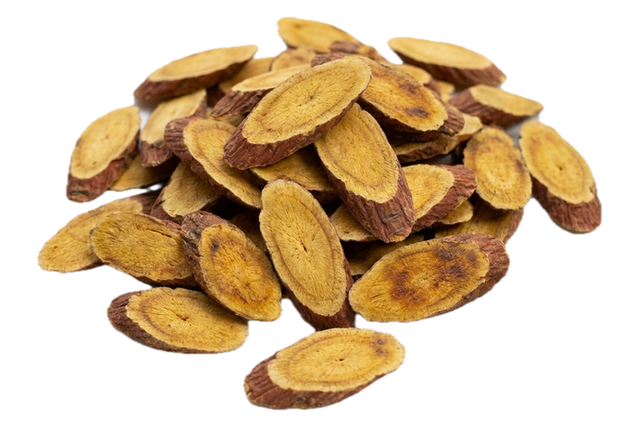
Honey Licorice Root
Zhì Gān Cǎo · 炙甘草
In postpartum care
Part of Sheng Hua Tang, the classic first-day postpartum formula, where it balances the other herbs and gently supports energy.
TCM nature
Taste: Sweet
Supports
Tonifies qi and harmonises a formula.
Signs of quality
What we look for when selecting each herb.
- Deep yellow cut face with a clear ring and radiating lines, under a glossy reddish-brown edge
- Slightly sticky from the honey with a toasty smell; blackened slices have been over-fried
Lab-tested for heavy metals and microbial safety · Passed 4 of 4 tests · See the results
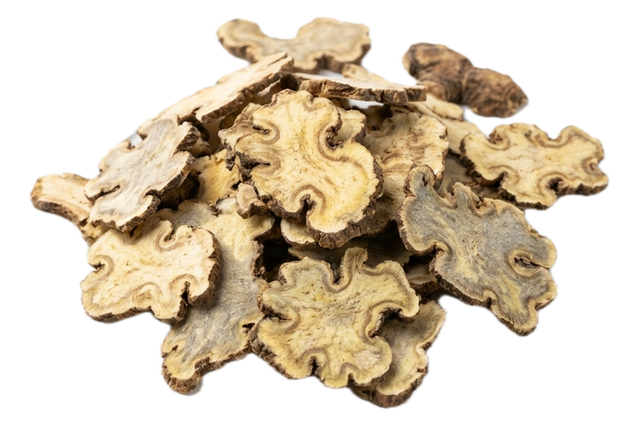
Ligusticum Rhizome
Chuān Xiōng · 川芎
In postpartum care
A key herb in Sheng Hua Tang on the first day, used to keep blood moving so the uterus can clear lochia. Later it is used for the headaches and dull aches of the final weeks, and in our bath.
TCM nature
Taste: Pungent
Supports
Moves blood and qi.
Pairs well with
Found in our blends
Signs of quality
What we look for when selecting each herb.
- Thin “butterfly” slices with a wavy ring and many yellow-brown oil dots on the cut face
- A strong, rich aroma; slices with little smell or a dark cut face are a lower grade
Lab-tested for heavy metals and microbial safety · Passed 4 of 4 tests · See the results
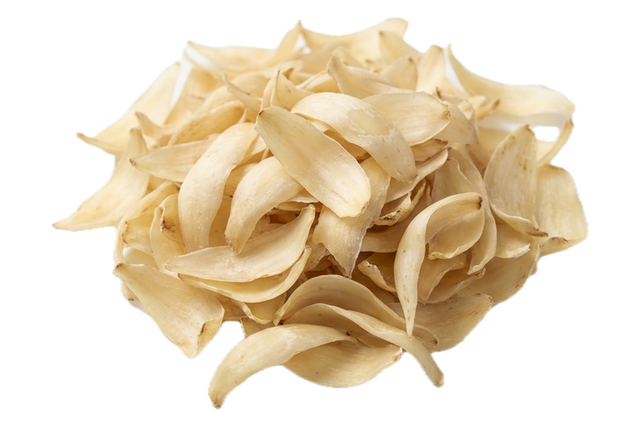
Lily Bulb
Bǎi Hé · 百合
In postpartum care
Used to settle the restlessness and poor sleep that can come after birth, and to balance the warmer herbs of confinement with a cooling touch.
TCM nature
Taste: Sweet
Supports
Nourishes yin and calms the mind.
Signs of quality
What we look for when selecting each herb.
- Thick, curved scales with several fine white lines running lengthwise
- Creamy white to pale yellow and slightly translucent; snow-white scales with a sour smell may have been sulphur-treated
Lab-tested for heavy metals and microbial safety · Passed 4 of 4 tests · See the results
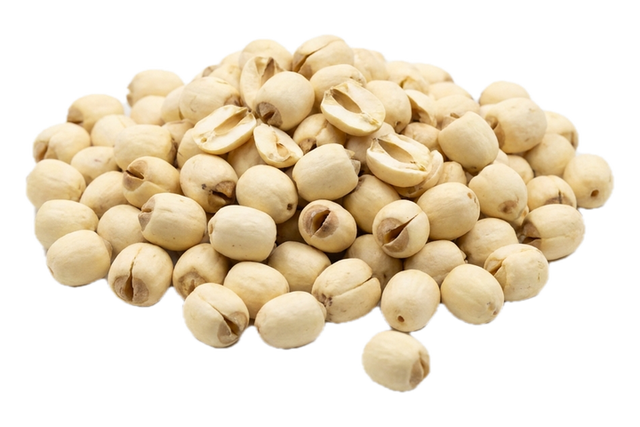
Lotus Seed
Lián Zǐ · 莲子
In postpartum care
A gentle food for the restless sleep and loose digestion common in the early weeks of motherhood.
TCM nature
Taste: Sweet, astringent
Supports
Strengthens the spleen and calms the heart.
Pairs well with
Found in our blends
Signs of quality
What we look for when selecting each herb.
- A small brown, nipple-like tip at one end and fine lengthwise lines over the surface
- The bitter green germ has been removed, leaving a clean hollow; good seeds cook soft and powdery
Lab-tested for heavy metals and microbial safety · Passed 4 of 4 tests · See the results
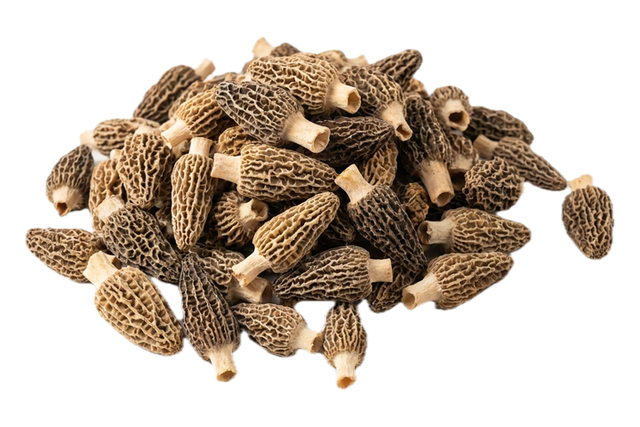
Morel Mushroom
Yáng Dù Jūn · 羊肚菌
In postpartum care
A rich, savoury mushroom used in later soups to tempt a tired appetite and add depth without heaviness, so nourishing meals stay appealing through the month.
TCM nature
Taste: Sweet
Supports
Gently nourishing to the stomach.
Signs of quality
What we look for when selecting each herb.
- Cut one lengthways: cap and stem form a single hollow chamber, the key sign of a true morel
- Deep, well-formed honeycomb pits and a rich, earthy aroma, with little grit inside
New herb: lab results coming soon
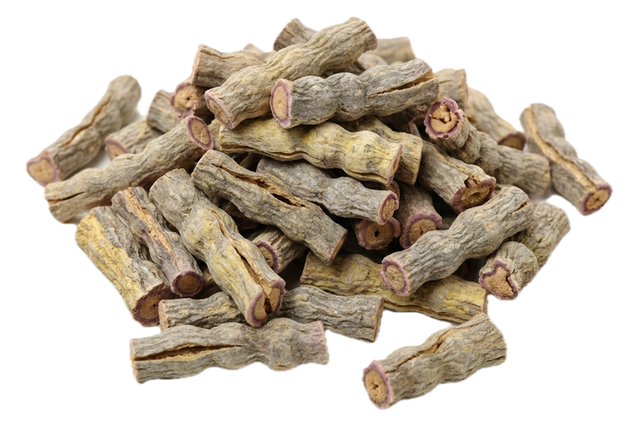
Morinda Root
Bā Jǐ Tiān · 巴戟天
In postpartum care
Used in the middle weeks alongside eucommia, traditionally for a cold, aching lower back and low energy after birth.
TCM nature
Taste: Sweet, pungent
Supports
Tonifies kidney yang.
Signs of quality
What we look for when selecting each herb.
- Bead-like segments where the bark has split around the root, giving it the folk name “chicken intestine”
- Thick, purplish flesh with the hard woody core removed
Lab-tested for heavy metals and microbial safety · Passed 4 of 4 tests · See the results
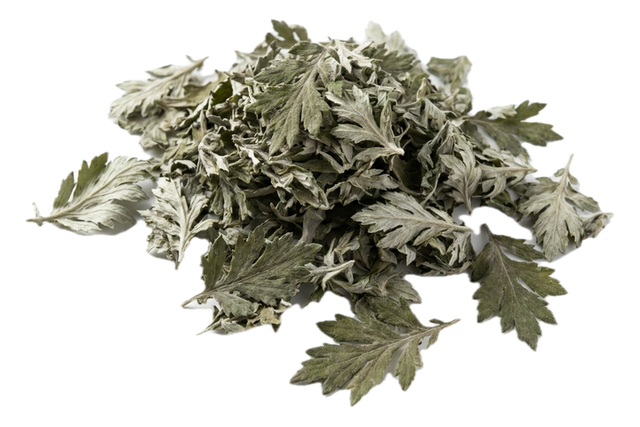
Mugwort
Ài Yè · 艾叶
In postpartum care
The traditional herb for postpartum herbal baths. Mugwort warms the body and keeps out wind and cold, so mothers can wash during confinement without catching a chill.
TCM nature
Taste: Pungent, bitter
Supports
Warms the channels and dispels cold.
Signs of quality
What we look for when selecting each herb.
- Grey-green on top with a dense, white woolly underside
- Rub a leaf between your palms: good mugwort turns into soft, cotton-like fluff (moxa wool)
New herb: lab results coming soon
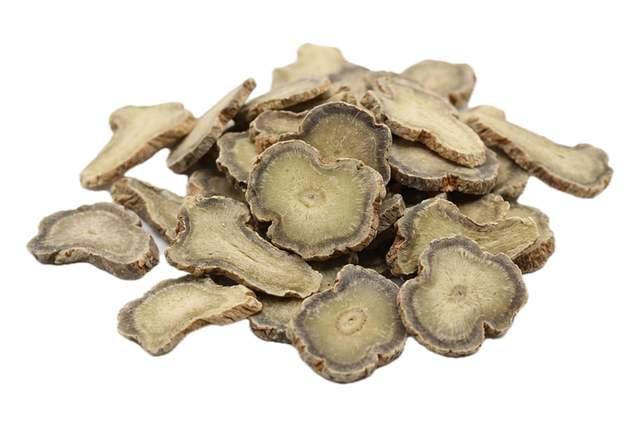
Notoginseng Root
Sān Qī · 三七
In postpartum care
Used at the end of the first week, when traditional practice turns from clearing lochia to repair, to help settle any remaining bleeding while keeping blood moving.
TCM nature
Taste: Sweet, bitter
Supports
Moves blood and settles bleeding.
Signs of quality
What we look for when selecting each herb.
- A bark ring that separates easily from a hard, dense centre, known as “copper skin, iron bones”
- Grey-green to yellow-green cut face; bitter first, then a lingering sweetness
Lab-tested for heavy metals and microbial safety · Passed 4 of 4 tests · See the results

Peach Kernel
Táo Rén · 桃仁
In postpartum care
Part of Sheng Hua Tang on the first day, used to help the uterus clear lochia and ease cramping. It is used only briefly, at the start of recovery.
TCM nature
Taste: Bitter, sweet
Supports
Moves blood.
Signs of quality
What we look for when selecting each herb.
- Flat teardrop kernels, pointed at one end and rounded, slightly off-centre at the other
- Creamy white and oily with a fresh smell; yellowed or rancid kernels are old stock
Lab-tested for heavy metals and microbial safety · Passed 4 of 4 tests · See the results

Peanut
Huā Shēng · 花生
In postpartum care
Peanut and papaya soup is a classic Cantonese recipe for new mothers, traditionally made to encourage milk supply. The red skins are kept on, as they are linked with nourishing blood.
TCM nature
Taste: Sweet
Supports
Nourishing; the red skin is linked with blood.
Signs of quality
What we look for when selecting each herb.
- Plump kernels with even, intact red skins
- No shrivelled, discoloured or bitter kernels, as mouldy peanuts can carry aflatoxin
Lab-tested for heavy metals and microbial safety · Passed 4 of 4 tests · See the results
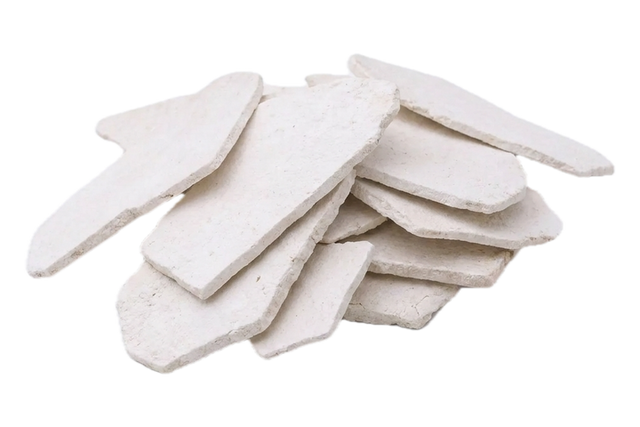
Poria
Fú Líng · 茯苓
In postpartum care
Used throughout recovery to help the body clear excess fluid and puffiness after birth, and to settle digestion and sleep.
TCM nature
Taste: Sweet, bland
Supports
Strengthens the spleen and drains dampness.
Pairs well with
Found in our blends
Signs of quality
What we look for when selecting each herb.
- Fine, dense white slices; chew a little and it sticks to your teeth
- Pure white flesh is the preferred grade; pinkish pieces come from closer to the skin
Lab-tested for heavy metals and microbial safety · Passed 4 of 4 tests · See the results
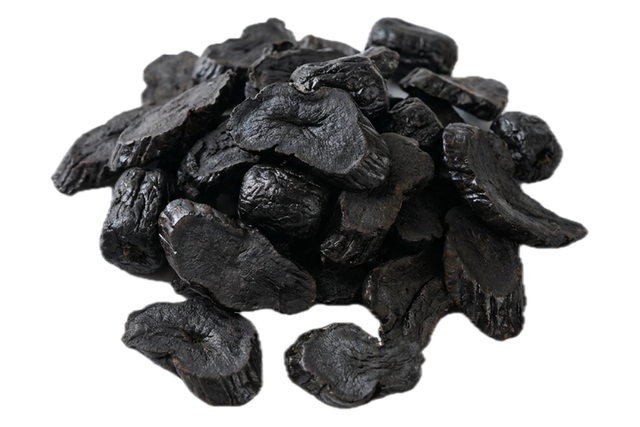
Prepared Rehmannia
Shú Dì Huáng · 熟地黄
In postpartum care
One of the richest blood tonics, used in the middle weeks once the first days of clearing are done, to rebuild the blood lost in birth.
TCM nature
Taste: Sweet
Supports
Nourishes blood and yin.
Signs of quality
What we look for when selecting each herb.
- “Black as lacquer, shiny as oil, sweet as malt”: glossy black right through
- Soft and sticky; broken open, it should be black to the centre, not brown or dry inside
Lab-tested for heavy metals and microbial safety · Passed 4 of 4 tests · See the results
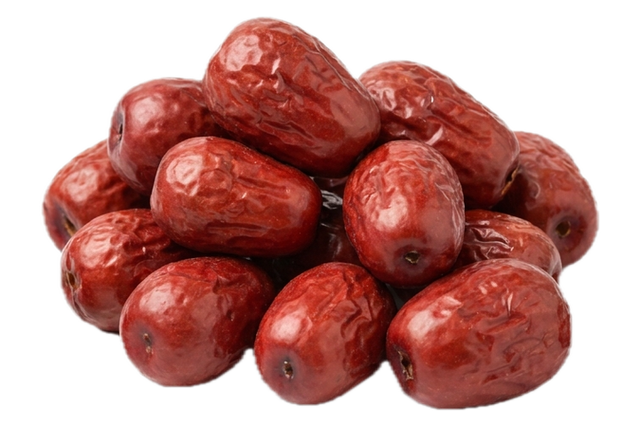
Red Date
Hóng Zǎo · 红枣
In postpartum care
A daily staple of confinement, used in almost every one of our soups and teas to replenish blood and energy after birth and to sweeten gently.
TCM nature
Taste: Sweet
Supports
Tonifies qi and nourishes blood.
Pairs well with
Found in our blends
- Papaya Rice Paper Pith Lactation Soup
- Qi Boosting Astragalus Soup
- Revitalising Solomon’s Seal Soup
- Kidney Replenishing Eucommia Soup
- Stomach Comforting Codonopsis Soup
- Hair Fortifying Black Bean Soup
- Quiet Bloom Codonopsis Tea
- Golden River Fenugreek Tea
- Moon Harvest Astragalus Tea
- Twilight Fields Glehnia Tea Coming soon
Signs of quality
What we look for when selecting each herb.
- Large dates with deep, glossy red skin, fine shallow wrinkles and thick flesh
- Seedless: removing the stone is traditionally thought to make dates less heating and more balanced after birth
Lab-tested for heavy metals and microbial safety · Passed 4 of 4 tests · See the results
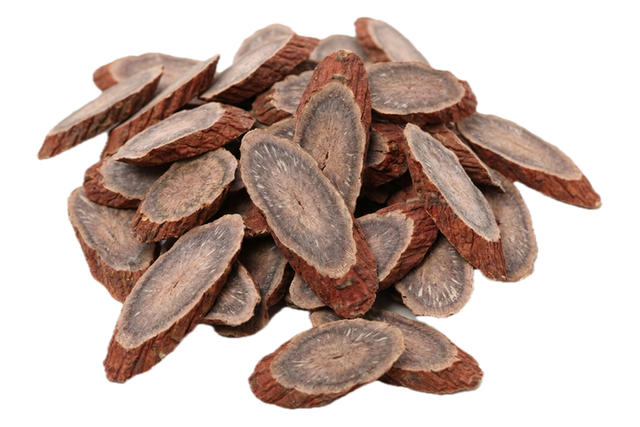
Red Sage Root
Dān Shēn · 丹参
In postpartum care
Used at the end of the first week to keep blood moving as the uterus recovers, with a calming effect on a restless mind.
TCM nature
Taste: Bitter
Supports
Moves blood and calms the mind.
Signs of quality
What we look for when selecting each herb.
- Brick-red bark that flakes away on older roots
- Cut face shows yellow-white lines radiating from the centre
Lab-tested for heavy metals and microbial safety · Passed 4 of 4 tests · See the results
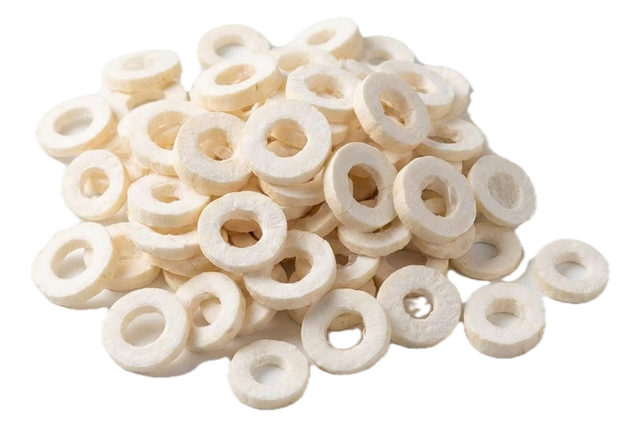
Rice Paper Pith
Tōng Cǎo · 通草
In postpartum care
A classic herb for opening milk flow, traditionally used when milk is slow or ducts feel blocked, and paired with papaya and peanut in Cantonese lactation soup.
TCM nature
Taste: Sweet, bland
Supports
Clears and opens rather than tonifies.
Pairs well with
Found in our blends
- Papaya Rice Paper Pith Lactation Soup
- Roasted Grain Rice Paper Pith Tea Coming soon
Signs of quality
What we look for when selecting each herb.
- Pure white and springy, with a silvery sheen on the cut face and a hollow or thin membrane at the centre
- Split one lengthways: the membranes stack like the rungs of a ladder
Lab-tested for heavy metals and microbial safety · Passed 4 of 4 tests · See the results
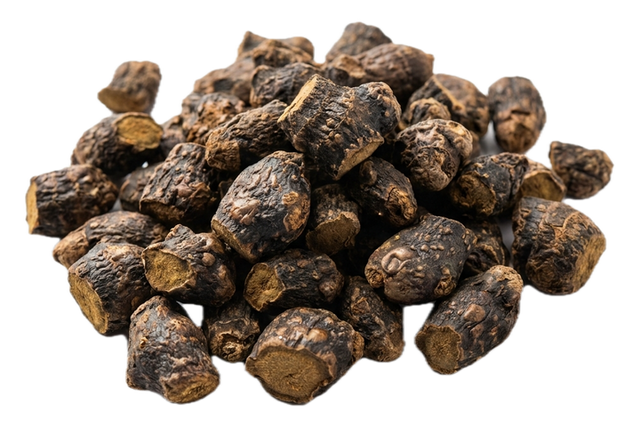
Roasted Ginger
Pào Jiāng · 炮姜
In postpartum care
Roasted until blackened, then used in Sheng Hua Tang on the first day to warm the womb and ease the cold, cramping pain that can follow birth.
TCM nature
Taste: Pungent
Supports
Warms the channels.
Signs of quality
What we look for when selecting each herb.
- Puffed, blistered surface, dark brown to black, but brown-yellow inside rather than charred through
- A warm, toasty fragrance with a milder bite than dried ginger
Lab-tested for heavy metals and microbial safety · Passed 4 of 4 tests · See the results
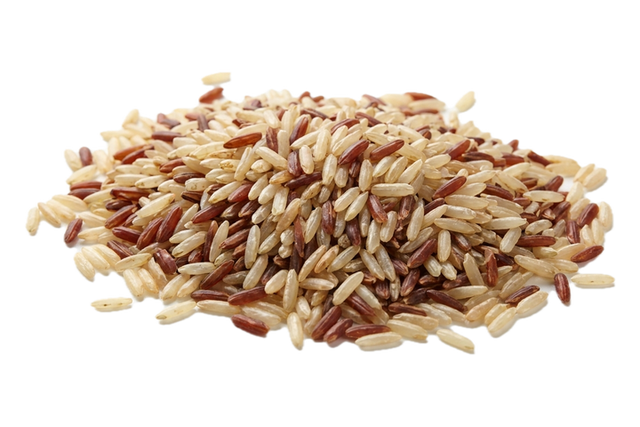
Roasted Rice
Chǎo Mǐ · 炒米
In postpartum care
Roasted rice tea is a traditional confinement drink, sipped in place of plain water because it is warming and easy on digestion.
TCM nature
Taste: Sweet
Supports
Warming and easy on digestion.
Pairs well with
Found in our blends
- Roasted Grain Rice Paper Pith Tea Coming soon
- Twilight Fields Glehnia Tea Coming soon
Signs of quality
What we look for when selecting each herb.
- Grains toasted evenly to light gold, with few blackened grains, which taste bitter
- A clean, nutty aroma that comes through as soon as hot water is added
New herb: lab results coming soon
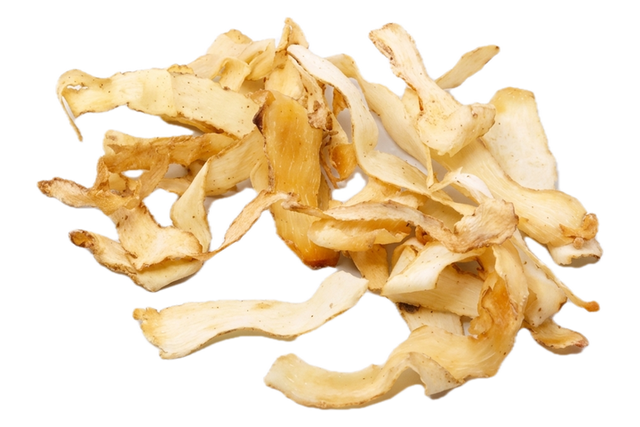
Solomon's Seal Rhizome
Yù Zhú · 玉竹
In postpartum care
Used in the middle weeks to replenish the fluids lost through birth and breastfeeding, easing dryness without being heavy.
TCM nature
Taste: Sweet
Supports
Nourishes yin and moistens dryness.
Signs of quality
What we look for when selecting each herb.
- Slightly translucent, pale yellow pieces with faint raised rings and small white dots where rootlets grew
- Soft and sweet, turning slightly sticky when chewed
Lab-tested for heavy metals and microbial safety · Passed 4 of 4 tests · See the results
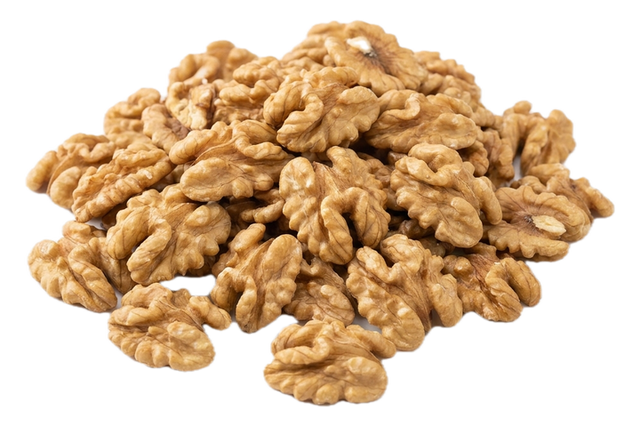
Walnut
Hú Táo Rén · 胡桃仁
In postpartum care
Used in the final weeks, traditionally linked with brain and hair, and its gentle oils help with the constipation that can follow birth.
TCM nature
Taste: Sweet
Supports
Tonifies the kidneys and warms the lungs.
Signs of quality
What we look for when selecting each herb.
- Thin, pale golden skin with darker vein-like lines over creamy white flesh
- Fresh and sweet, never bitter or rancid; darkened, oily-looking kernels are old stock
Lab-tested for heavy metals and microbial safety · Passed 4 of 4 tests · See the results
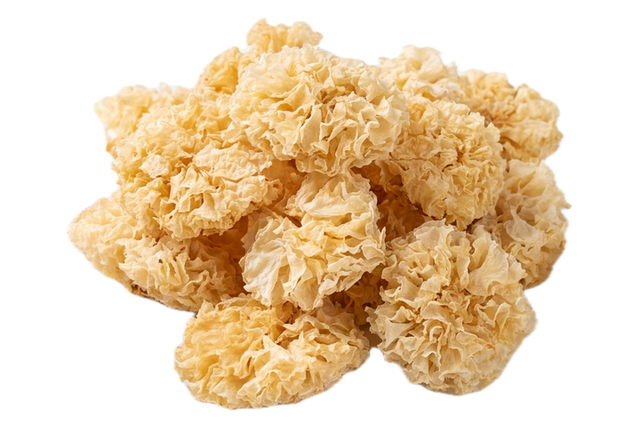
White Fungus
Yín'ěr · 银耳
In postpartum care
A gentle, moistening ingredient used in the final weeks to ease the dry skin and throat that can come with breastfeeding and a warming confinement diet.
TCM nature
Taste: Sweet, bland
Supports
Nourishes yin and moistens the lungs.
Signs of quality
What we look for when selecting each herb.
- A natural pale golden-cream with a small yellowish base; snow-white fungus may have been bleached
- Large, loose, frilly clusters that swell a lot when soaked, with no sour smell
Lab-tested for heavy metals and microbial safety · Passed 4 of 4 tests · See the results
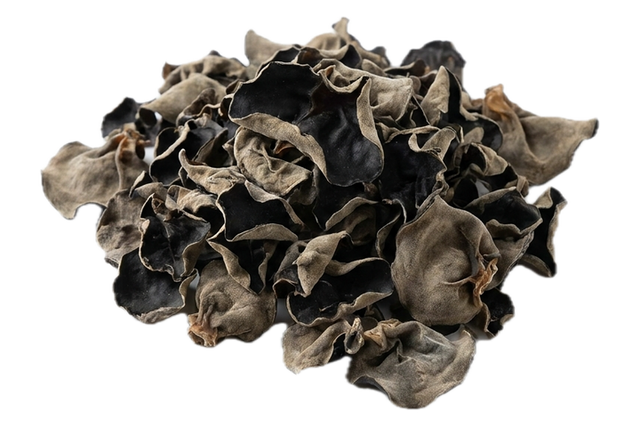
Wood Ear Mushroom
Mù Ěr · 木耳
In postpartum care
Used in later soups to nourish blood and help keep the bowels moving after birth.
TCM nature
Taste: Sweet
Supports
Traditionally regarded as nourishing to blood.
Signs of quality
What we look for when selecting each herb.
- Glossy black on top with a grey, slightly velvety underside
- Swells to many times its size in water and tastes of nothing; a salty or sweet taste means it was treated to add weight
Lab-tested for heavy metals and microbial safety · Passed 4 of 4 tests · See the results
This is Traditional Chinese Medicine information shared for general education. Sources: the Chinese Pharmacopoeia and standard Chinese materia medica references. It is not medical advice. Please speak with your healthcare provider about your own needs, especially during pregnancy and breastfeeding.